
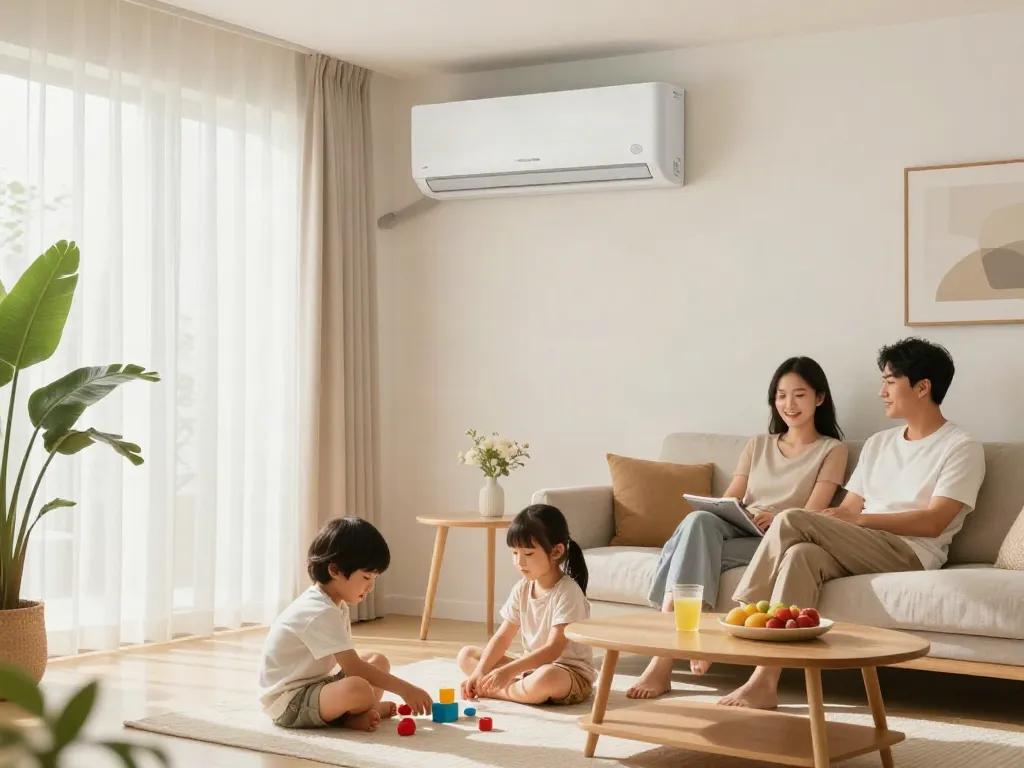
Understanding Split AC Units
In recent years, split AC units have gained immense popularity for their efficiency and ability to provide tailored cooling solutions. Unlike traditional window air conditioners, split units operate quietly and allow for greater control of the indoor climate. With numerous models and brands available in the market, understanding how these systems work and their advantages is crucial for making an informed purchase decision. When exploring options, split ac unit solutions provide comprehensive insights into the various features available today.
What is a Split AC Unit?
A split AC unit, often referred to as a ductless mini-split system, comprises two main components: an outdoor compressor and one or more indoor units. This design negates the need for extensive ductwork, making it ideal for retrofitting older buildings or for spaces where duct installation is impractical. The outdoor unit houses the condenser and compressor, while the indoor unit contains the evaporator and fan, which distribute cooled air throughout the room.
How Split AC Units Work
Split AC units operate on the principles of refrigeration. The outdoor unit pulls in heat from the environment and transfers it to the refrigerant inside the system. This refrigerant is then compressed, raising its temperature and pressure before being sent to the indoor unit. As the refrigerant flows through the evaporator coil inside, it absorbs heat from the indoor air, cooling it in the process. The cool air is then blown into the room by the indoor fan, while the refrigerant, now in a gaseous state, returns to the outdoor unit to repeat the cycle.
Advantages Over Traditional Air Conditioners
- Energy Efficiency: Split AC units are generally more energy-efficient than traditional window units. They use inverter technology, which allows the compressor to adjust its speed according to the cooling demand, thus saving energy.
- Quiet Operation: The separation of indoor and outdoor components significantly reduces noise levels, making split AC units ideal for bedrooms and other quiet environments.
- Flexible Installation: Without the need for ductwork, these units can be installed in a variety of settings, including rooms where traditional systems wouldn't fit.
- Zoned Cooling: Multi-zone systems allow individual control of temperatures in different rooms, providing comfort tailored to personal preferences.
Choosing the Right Split AC Unit
When selecting a split AC unit, there are several factors worth considering to ensure you choose the model that best fits your needs. Understanding your space, energy efficiency ratings, and brand reputation can help streamline the decision-making process.
Factors to Consider When Buying a Split AC Unit
- Room Size: The cooling capacity of an AC unit is measured in BTUs. It's important to choose a unit that matches the size of the room to avoid under or over-cooling.
- Energy Efficiency: Look for units with high SEER (Seasonal Energy Efficiency Ratio) ratings. Higher ratings indicate better energy performance, leading to potential savings on electricity bills.
- Installation Requirements: Consider the complexity of installation and whether you need professional help. Some models are more straightforward to install than others.
- Noise Levels: Check the decibel rating of the indoor unit. Quieter models are preferable for bedroom settings.
Top Brands and Models to Look for in 2026
As technology evolves, new brands and models continually emerge, offering improved features. Some of the top brands to consider include:
- Mitsubishi: Renowned for their reliability and efficiency, Mitsubishi models come equipped with advanced technology to enhance comfort and reduce energy consumption.
- LG: Known for their sleek designs and smart technology, LG offers units that integrate with home automation systems.
- Senville: This brand provides affordable options without compromising quality, making it a favorite for budget-conscious consumers.
- Daikin: A leader in HVAC innovation, Daikin units are praised for their advanced inverter technology and durability.
Energy Efficiency Ratings Explained
Energy efficiency ratings are essential when selecting an air conditioning unit. The most common metric is the SEER rating, which measures cooling output during a typical cooling season divided by the total electric energy input. Generally, a higher SEER rating indicates better efficiency, which translates to lower operating costs. Consumers should aim for a minimum SEER rating of 16 for optimal efficiency in residential settings.
Installation Tips for Split AC Units
Successfully installing a split AC unit can greatly affect its performance and efficiency. Whether you’re a DIY enthusiast or planning to hire a professional, understanding the installation process is vital.
Do-It-Yourself Installation vs. Hiring Professionals
DIY installation can save money, but it requires a good understanding of the specific unit and the associated plumbing and electrical tasks. Hiring professionals often ensures that the unit is installed correctly and complies with local codes, which can save you from potential future issues.
Common Installation Mistakes to Avoid
- Improper Sizing: Failing to size the unit correctly can lead to inefficient cooling and increased energy costs.
- Ignoring Electrical Requirements: Not taking into account the electrical needs of the unit can result in serious safety hazards.
- Incorrect Refrigerant Levels: Ensuring the right amount of refrigerant is critical for performance; too much or too little can cause issues.
Step-by-Step Guide to Installing Your Split AC Unit
- Select the Location: Choose a location for both the indoor and outdoor units that allows for proper airflow and accessibility.
- Mount the Indoor Unit: Secure the mounting bracket to the wall, ensuring it is level and unobstructed.
- Install the Outdoor Unit: Place the outdoor unit on a stable surface, ensuring it’s clear from debris and direct sunlight.
- Connect Refrigerant Lines: Carefully connect refrigerant lines between the indoor and outdoor units.
- Test the System: Once installed, check for leaks and test the system to ensure it is operating correctly.
Maintaining Your Split AC Unit
Regular maintenance is crucial in extending the lifespan and performance of your split AC unit. Establishing a routine care schedule can prevent costly repairs and inefficiencies.
Routine Maintenance Tasks for Optimal Performance
- Clean or Replace Filters: Regularly inspect and clean or replace filters every 1-3 months to maintain optimal airflow.
- Inspect Coils: Cleaning the evaporator and condenser coils can prevent buildup that inhibits performance.
- Clear Drain Lines: Ensure the condensate drain is clear to prevent water damage and mold growth.
Signs Your Split AC Unit Needs Repairs
Being aware of the signs that your unit may need repair can save you from more significant issues. Common indicators include strange noises, reduced airflow, and fluctuating temperatures. If you notice any of these signs, it’s crucial to consult a professional.
How to Extend the Lifespan of Your Unit
To prolong the life of your split AC unit, invest in routine maintenance and ensure that it’s installed correctly. Additionally, regularly inspect the unit for any signs of wear or damage and schedule professional check-ups at least once a year.
Future Trends in Air Conditioning
The air conditioning industry is continuously evolving, with innovations aimed at improving efficiency and convenience. Understanding these trends can help you stay ahead of the game when selecting a new AC unit.
Innovations in Split AC Technology for 2026
Emerging technologies such as variable refrigerant flow (VRF) systems and advanced inverter technology are making split AC units more efficient and versatile. These innovations allow for better zoning, more precise temperature control, and enhanced energy savings.
The Role of Smart Home Integration
Smart home technology is increasingly becoming a standard feature in new air conditioning systems. From adjusting temperatures remotely through apps to integrating with other smart devices, homeowners can now enjoy greater control over their indoor environment.
Predictions for Eco-Friendly Air Conditioning Solutions
As environmental concerns rise, manufacturers are expected to develop more eco-friendly refrigerants and energy-efficient models. The use of renewable energy sources, such as solar power, for operating HVAC systems will likely become more prevalent, making air conditioning not just more sustainable but also cost-effective in the long run.
What are the benefits of using a split AC unit?
Split AC units offer a multitude of benefits, including energy efficiency, quieter operation, and the ability to provide tailored temperature controls for different areas of your home.
How much does it cost to install a split AC unit?
The installation cost of a split AC unit varies widely based on factors such as the brand, model, and complexity of the installation, ranging anywhere from $1,500 to $3,500 on average.
Are there any disadvantages to split AC units?
While split AC units are highly efficient, they can have a higher upfront cost compared to traditional window units and may require professional installation.
What is the average lifespan of a split AC unit?
Typically, a well-maintained split AC unit can last between 12 to 20 years, depending on usage and maintenance practices.
How do I choose the right size for a split AC unit?
To select the appropriate size for a split AC unit, calculate the required BTUs based on the room size, sun exposure, and other factors such as insulation quality. An HVAC professional can assist in this calculation for optimal results.